
Intradural Conditions Adelaide

Overview

Intradural tumours are growths inside the spinal canal that may originate from spinal cord tissue (intramedullary), from nerve root sheaths (extramedullary) or from blood vessels. These tumours can compress the spinal cord or nerves, causing pain, weakness or loss of function. Some are benign, others are malignant; treatment depends on tumour type, location and symptoms.

Symptoms

  • Back or neck pain, sometimes radiating in a dermatomal (band-like) pattern.
  • Weakness or progressive loss of strength in the arms, legs or trunk.
  • Numbness, tingling or sensory changes below the level of the tumour.
  • Loss of pain or temperature sensation.
  • Difficulty with walking or coordination (ataxia).
  • In some cases, bowel or bladder dysfunction.
  • Symptoms may develop slowly (weeks to months) or more rapidly if the tumour bleeds or swells.

Causes

Intradural tumours arise from various tissues within the spinal canal:

  • Schwannomas (nerve sheath tumours): most common benign type; arise from nerve roots.
  • Meningiomas: benign tumours from the dura (spinal cord covering).
  • Ependymomas and astrocytomas: intramedullary tumours arising from spinal cord cells.
  • Haemangioblastomas: benign vascular tumours.
  • Metastatic disease: spread from primary cancers elsewhere in the body.

Some tumours are associated with genetic conditions (e.g. neurofibromatosis).

Diagnosis

Early diagnosis is important to prevent irreversible spinal cord damage.
  • MRI with contrast: primary imaging modality; shows tumour location, size, extent and relationship to spinal cord.
  • CT: may be used for bone detail or to evaluate osseous involvement.
  • Spinal angiography: sometimes used to assess blood supply, particularly for vascular tumours.
  • Biopsy: may be needed to confirm diagnosis; can be done intraoperatively.

Non‑surgical treatment

Some benign, slow-growing tumours may be managed conservatively with careful monitoring, particularly if asymptomatic or minimally symptomatic.

  • Serial imaging: MRI surveillance at regular intervals to monitor tumour growth and cord changes.
  • Symptom management: pain control, physiotherapy for weakness, mobility aids.
  • Radiation therapy: sometimes used for inoperable tumours or as adjunct after surgery (particularly malignant lesions).

However, progressive symptoms or tumour growth typically warrant intervention to prevent irreversible cord damage.

Surgical treatment

Surgery is recommended for symptomatic tumours, tumours causing cord signal changes, or tumours with progressive growth.

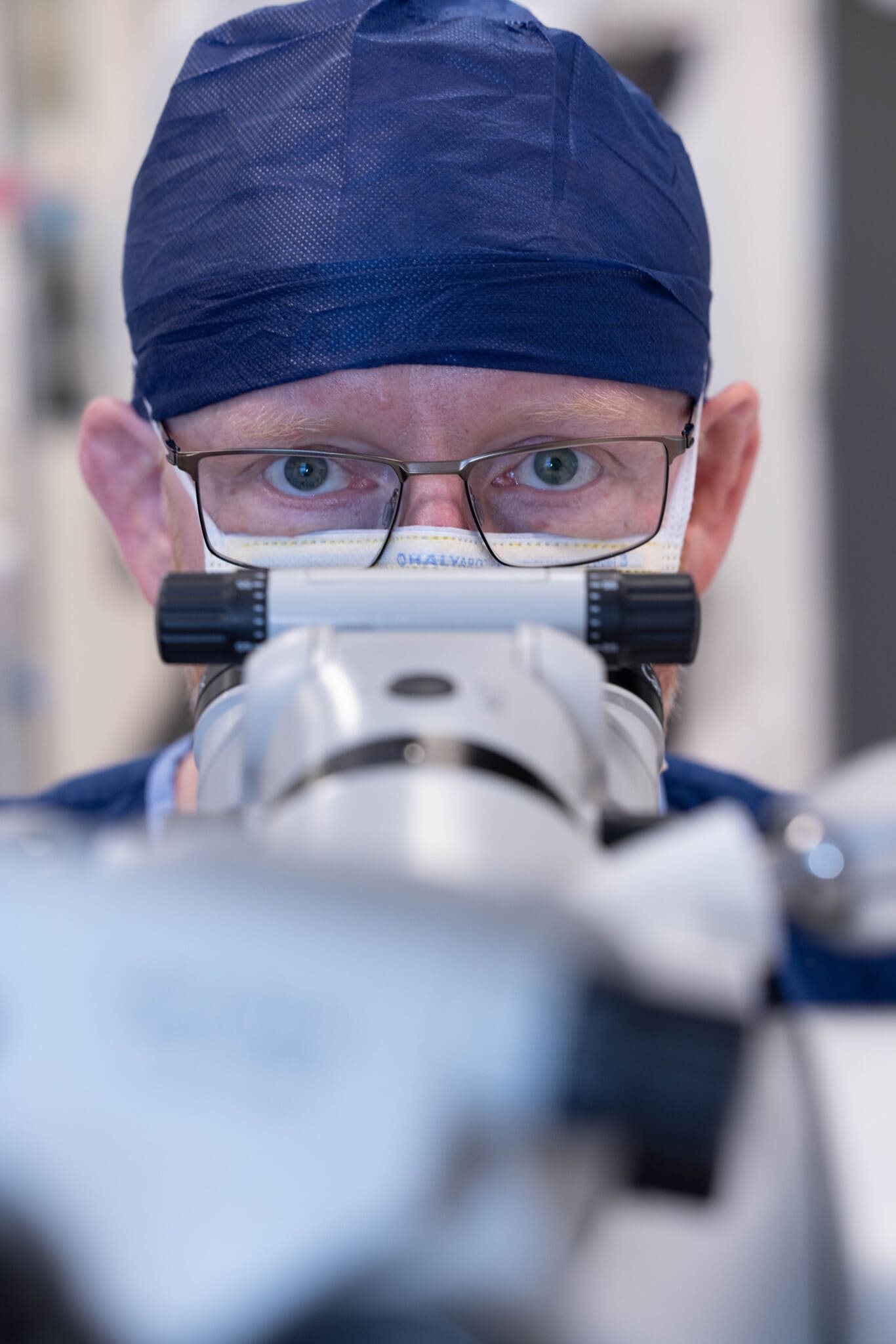
  • Microsurgical resection: removal of the tumour under operating microscope with intraoperative neuromonitoring to protect neural structures.
  • Extent depends on tumour type: benign tumours (schwannomas, meningiomas) can often be removed completely; intramedullary tumours may be only partially resected to preserve cord function.
  • Minimally invasive approaches: used where feasible to reduce tissue disruption and recovery time.

Surgery can often cure benign tumours and may improve or stabilise symptoms in malignant disease. Early intervention usually yields better neurological outcomes.